
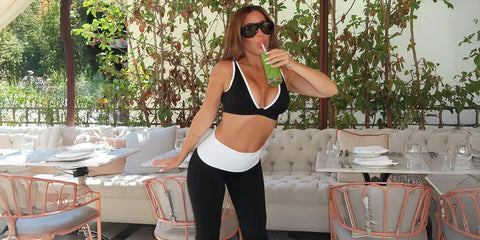
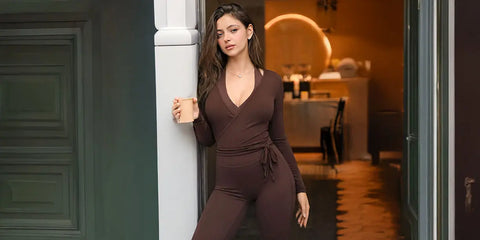
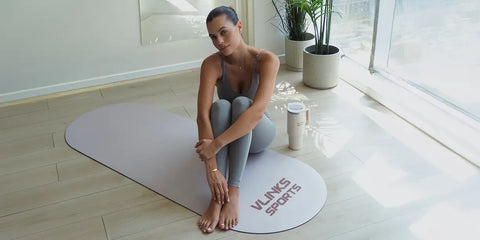
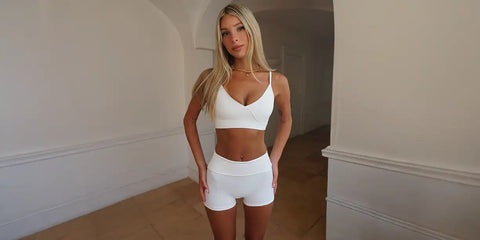




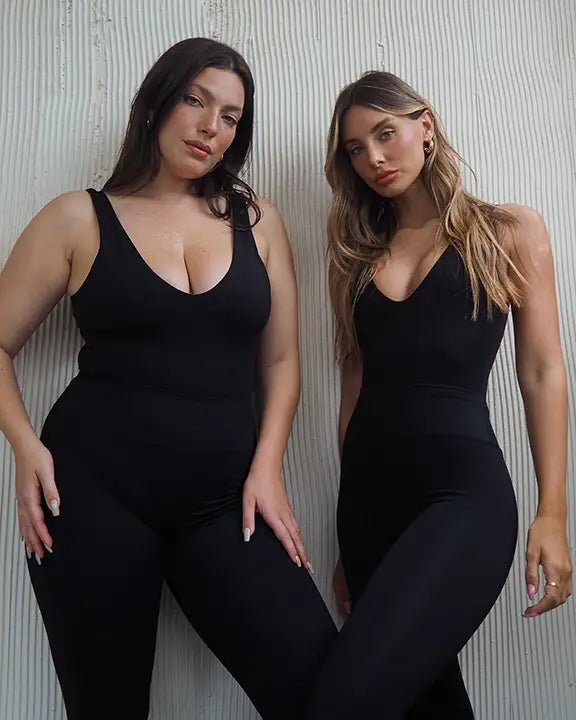


The fabric in your clothes affects how they feel, move and handle a sweaty workout. Cotton, nylon, polyester and elastane each bring something different to the mix, and the fiber name is only part of the story.
This guide explains natural and synthetic fabrics, what to look for in workout clothing, and the fabric names you will see at Vlinks.
How is fabric made?
Fabric is made by turning fibers into a material through processes such as knitting or weaving. The fibers may come from plants or animals, or they may be manufactured. Fiber content, yarn, construction, thickness and finishing all influence the finished garment.
There is also a useful distinction within manufactured fibers: viscose is made by regenerating plant-derived cellulose, while polyester, nylon and elastane are synthetic fibers. They should not all be treated as the same category.
Natural fabrics: common types and uses
Cotton
Cotton is often soft and comfortable for everyday clothing. It absorbs moisture, which is useful in towels but can leave a T-shirt feeling damp during a sweaty workout. It can work well for relaxed movement; for intense exercise, consider how quickly you need your clothing to dry.
Linen
Linen, made from flax, is a popular choice for light summer clothing. It can feel airy, depending on the weave, but it creases easily and has relatively little natural stretch. It does not prevent sweating.
Silk
Silk is known for its smooth feel and sheen. It is often used for dressier clothing and scarves, and usually needs more careful handling than everyday workout fabrics.
Wool
Wool is used in sweaters, layers and outdoor clothing. Fine merino wool also appears in performance clothing because of its moisture-management and odor-resistance properties. Weight, construction and the particular garment matter, and care instructions vary.
Leather
Leather is an animal-derived material used in shoes, bags and jackets. It is not a woven or knitted textile, and its care requirements differ from those of fabrics. Water resistance also varies by finish; leather should not automatically be treated as waterproof.
Synthetic and other manufactured fibers
Polyester
Polyester is widely used in activewear. It is generally durable and quick-drying, but breathability and moisture wicking depend on how the fabric is made. A dense polyester garment can feel very different from a light technical knit.
Polyamide, including nylon
Nylon is a type of polyamide often used in leggings, sports bras and other stretch clothing. It is valued for its strength and resistance to abrasion, and can have a smooth feel. Read our guide to polyamide fabric for a closer look.

Microfiber
Microfiber describes very fine fibers, often polyester or nylon, rather than one particular fiber material. Fine fibers can create a soft, light fabric, but the word alone does not guarantee stretch, absorbency or a specific performance level.
Acrylic
Acrylic is a synthetic fiber commonly used in knitwear such as sweaters, hats and gloves. It can provide a wool-like feel, though its properties and care needs are not identical to wool.
Elastane and spandex
Elastane and spandex are two names for the same type of stretch fiber. It is usually blended with other fibers to help a garment stretch and recover. LYCRA® is a brand of elastane, rather than the generic name for every stretch fabric.
Viscose
Viscose, a type of rayon, is a manufactured fiber made from regenerated cellulose, typically sourced from plants such as trees. It is often used for soft, fluid clothing. It is neither a natural fiber in the same sense as cotton nor a synthetic fiber like polyester. Check the care label, as some viscose garments need gentle treatment.
Natural vs. synthetic fabrics: what matters in practice?
- Moisture: Cotton absorbs water and can dry slowly. Many technical synthetics are designed to move moisture and dry more quickly, but the actual fabric matters.
- Stretch: Elastane adds stretch, while a knitted construction can also provide give. A synthetic fiber is not automatically stretchy.
- Breathability: Fiber content is only one factor. A fabric's structure, thickness and fit also affect airflow and comfort.
- Durability: Consider the garment's construction and how you will wear it. There is no single winner for every use.
- Care: Heat, washing and drying can affect different fabrics in different ways. Follow the garment's care label.
- Environmental claims: Natural does not automatically mean sustainable, and synthetic does not tell you the full impact either. Look for specific, supported information about sourcing and production.
How to choose fabric for your workout
Start with the activity and how you want your clothing to feel. For yoga and Pilates, stretch, softness and coverage when bending may be your priorities. For running or a sweaty strength session, look closely at moisture management, fit and drying time.
Try moving in the garment. Check that the fabric is comfortable against your skin, that seams do not rub and that it provides the coverage you want when stretched. A waistband that stays in place can matter just as much as a fabric's technical description.
For everyday wear, choose a feel and weight you enjoy, with care instructions you can realistically follow. Browse women's leggings and compare the composition and fit notes of individual styles.
A guide to Vlinks fabric names
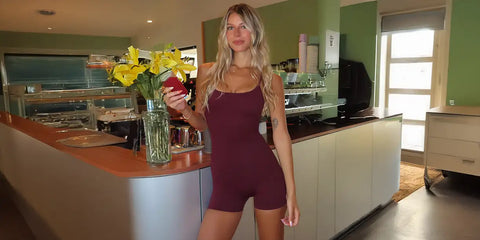
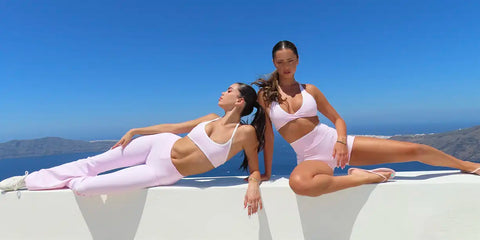
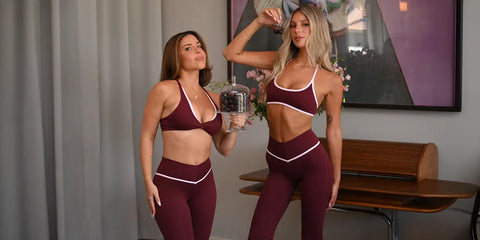
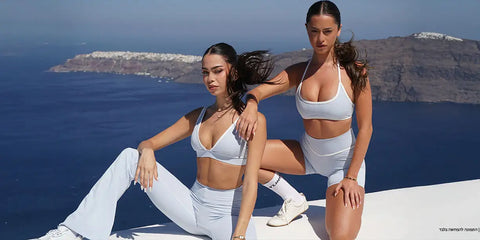
Vlinks uses named fabric collections to help describe different textures and wearing experiences. These names are a starting point; check each product's composition and care details before choosing.
- Luxe Fabric: A polyamide-based fabric with a smooth look and a close, stretchy fit.
- Brushberry Fabric: A soft, brushed, velvety texture for those who prefer a cozy feel.
- Flow Fabric: A light, flexible fabric designed for movement and everyday wear.
- Seamless Fabric: A construction designed to reduce seams and create a smooth feel. Seamless garments may still have seams or joins in some areas.
- Candy Fabric: A fine-fiber fabric using seamless construction, with a light, stretchy, close-to-skin feel.
- Ribbed Fabric: A raised stripe texture with stretch and a fitted silhouette.
Frequently asked questions
Which fabric is best for workout clothes?
There is no single best fabric for everyone. Nylon or polyester blended with elastane is common in activewear because it can combine durability and stretch. Choose the specific garment for your activity, fit preferences and comfort.
Can I work out in cotton?
Yes. Cotton can be comfortable for gentle activity. For workouts that leave you very sweaty, its slower drying time may make a suitable technical fabric more comfortable.
Are spandex and LYCRA the same thing?
Spandex is the generic fiber name used in the United States; elastane is another name for it. LYCRA® is a particular brand of that fiber.
How should I wash synthetic activewear?
Follow the care label and avoid high heat unless the label specifically allows it. Our activewear washing guide covers sorting, detergent and drying.
Find a fabric that feels right for you
Explore Vlinks activewear sets and compare the cuts, colors and fabrics that suit your day. Need help choosing? Contact us at +972 53-360-8550 for product and sizing questions.


