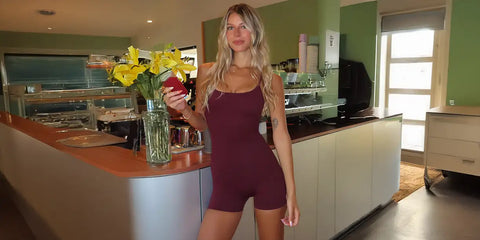

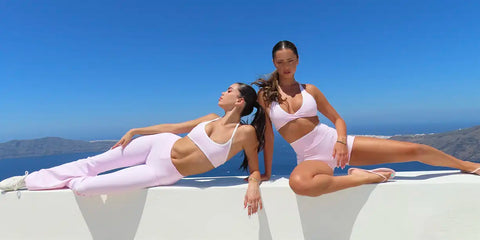
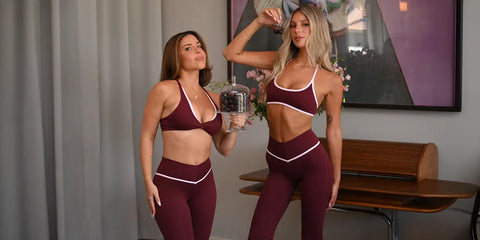
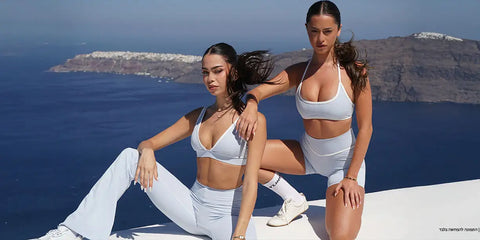




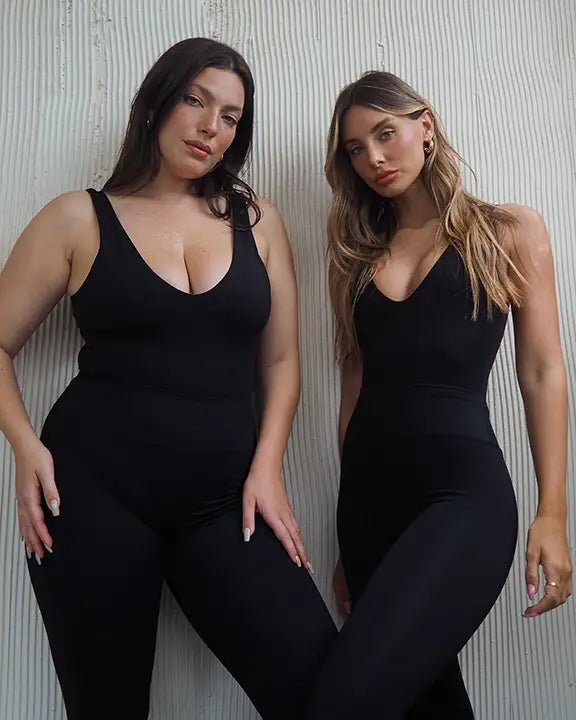


The right workout top is one you can move in comfortably without constantly adjusting it. Fabric, sleeve length, seams and fit all affect how a shirt feels during a session, whether you are lifting weights, running or heading to Pilates.
Here is how to choose women's workout tops that suit your activity and your personal style.
Start with the basics
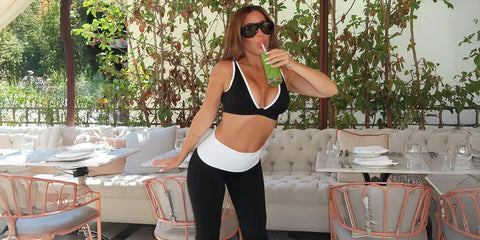
Sports bras
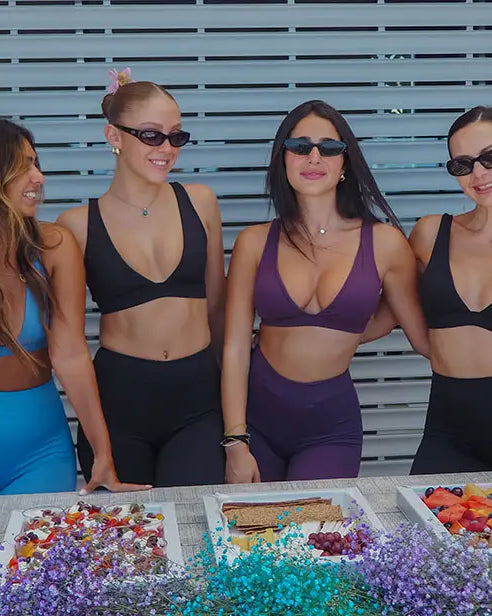
A sports bra provides the foundation for many workout outfits. Choose support suited to your activity and comfort needs, and check the fit of the band, cups and straps. Adjustable straps can help fine-tune the fit, but they cannot make up for the wrong size.
Explore sports bras and read each style's details rather than assuming every bra offers the same support.
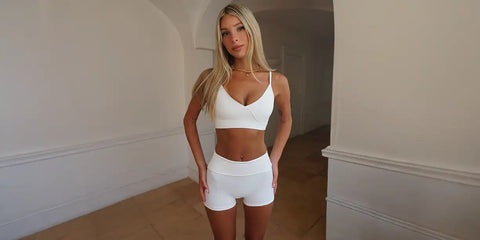
Workout tanks
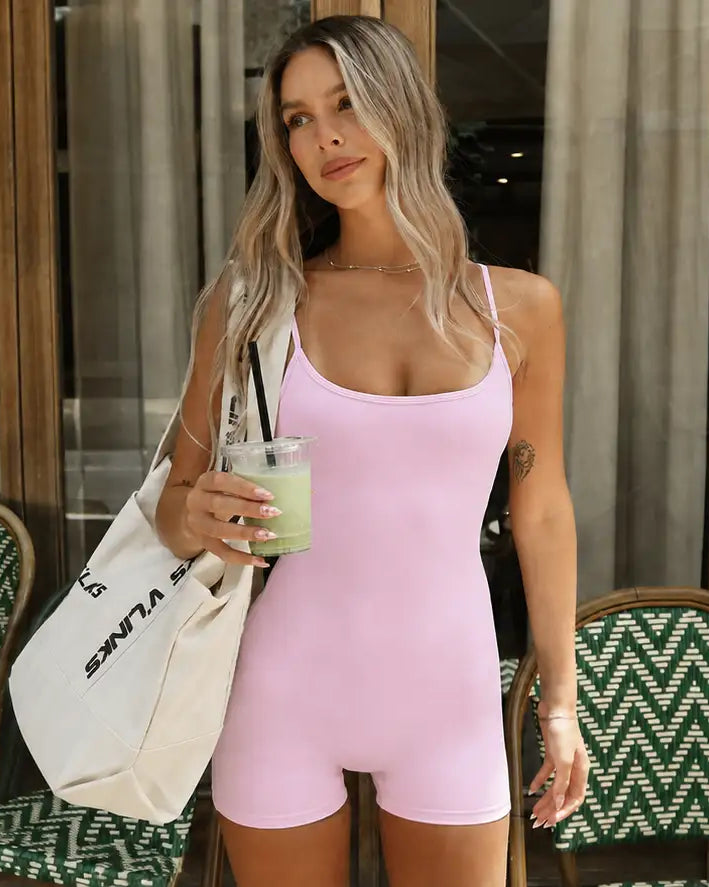
A tank top gives your arms room to move. Check the armholes and back shape when reaching forward and overhead. A fitted tank may stay in place more easily during floor work, while a relaxed style can feel airy for other activities.
Make sure the fabric gives you the coverage you want when stretched. Thin and lightweight does not have to mean transparent, but it is worth checking in good light.
Short-sleeve workout shirts
A T-shirt offers a little more coverage across the shoulders and upper arms. Look for a cut that lets you reach freely and seams that feel comfortable against your skin. For sweaty sessions, consider a fabric designed to manage moisture and dry quickly.
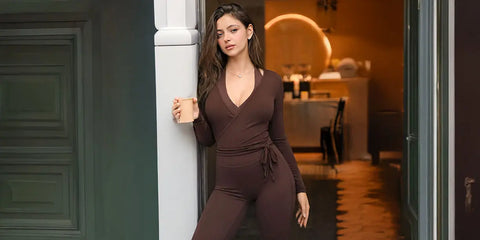
Long-sleeve workout tops
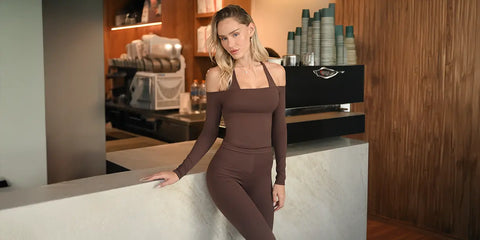
Long sleeves can work as a light layer, a cooler-weather top or an option for more coverage. Choose the fabric weight for the conditions rather than assuming every long-sleeve shirt is warm.
Thumbholes can help keep sleeves in place if you like that feature. Check that they do not pull at your hands or make the sleeves feel too short.
Why choose long sleeves?
- Layering: A light top can be easy to remove as you warm up.
- Coverage: You may simply prefer more coverage in the gym or outdoors.
- Cool-weather comfort: The right fabric can add warmth without unnecessary bulk.
- Outdoor use: Sleeves cover more skin, but rated sun protection depends on the garment. Look for a stated UPF rating if that is a priority.
A long-sleeve top is not a substitute for a warm-up, and no shirt can guarantee that you will avoid injury or overheating.
What fabrics should you look for?
Polyester
Polyester is common in workout clothing because it is durable and often quick-drying. Moisture wicking depends on the fabric's construction and finishing, so look at the actual product details rather than the fiber name alone.
Nylon, or polyamide
Nylon blends can have a smooth feel and good resistance to wear. The weight and breathability vary from one fabric to another; nylon is not automatically lighter or cooler than polyester.
Elastane, also called spandex
Elastane adds stretch to many activewear blends. The amount needed depends on the design. There is no single ideal percentage for every top, and a garment can also get some stretch from its knitted construction.
Cotton and cotton blends
Cotton can feel soft for everyday wear and lighter activity. It absorbs moisture and may stay damp during a sweaty workout. A cotton blend offers a different balance of feel and performance, depending on the other fibers and construction.
For more detail, see our guide to natural and synthetic activewear fabrics.
Choose your top for the workout
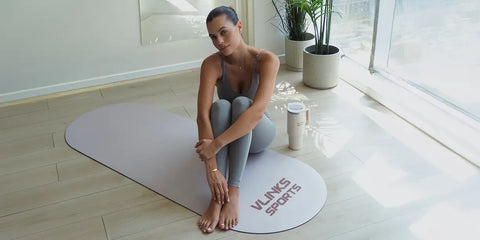
Yoga and Pilates
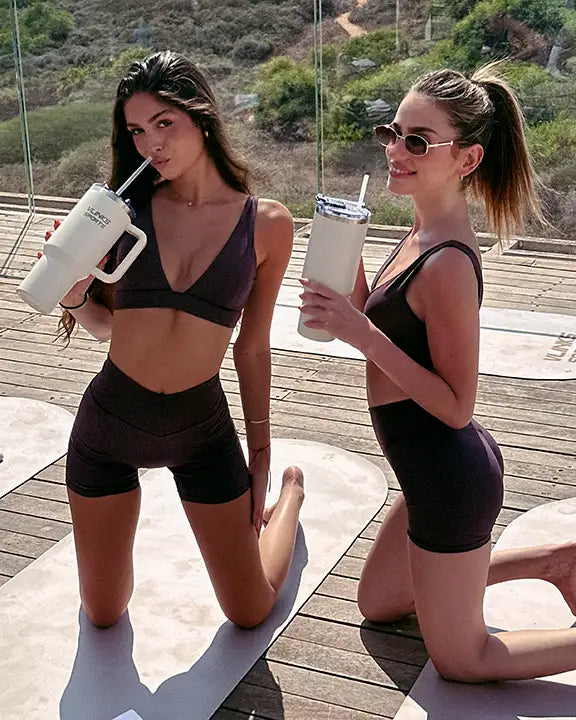
Look for a secure fit that stays comfortable when you bend or lift your hips. A top that falls toward your face can be distracting. For reformer classes, avoid loose ties, bulky fastenings and fabric that could catch on equipment.
Running and cycling
Consider airflow, moisture management and whether seams rub during repeated movement. Choose coverage for the weather and conditions. If you train in low light, think about visibility as part of your overall outfit.
Strength training and HIIT
Test overhead reaches and a forward hinge before choosing. You want room through the shoulders and arms without the hem or neckline shifting in a way that bothers you. For jumping or other higher-impact movements, the support of your sports bra matters separately from the outer top.
Three useful shopping checks
- Buy for repeated wear. Think about which activities you do most and which tops you already reach for. Price alone does not tell you how useful a garment will be.
- Check seams and edges. Move your arms and notice any rubbing at the underarms, neck or shoulders.
- Choose a color you enjoy. Sweat marks show differently depending on fabric and shade. Dark colors may make some marks less noticeable, but there is no need to avoid a color you love.
Frequently asked questions
How should a workout top fit?
It should allow comfortable breathing and movement. A fitted or loose style can both work. If the hem rolls or the top rides up, check the size, length and cut; sizing up is not always the only solution.
How can I help my top last longer?
Follow its care label. Many stretch garments benefit from a cool, gentle wash and air-drying. See our activewear care guide for practical tips.
What if it still smells after washing?
Check that you are using the correct amount of detergent and an appropriate cycle, and avoid leaving damp clothes in a bag or washing machine. Skip fabric softener for technical activewear unless the care instructions say otherwise. Use only cleaning treatments approved for the garment and your machine; home remedies are not suitable for every fabric.
Find your workout wardrobe at Vlinks
Explore workout crop tops, sports bras and matching activewear sets. Compare fit and fabric details, then choose the pieces that feel right for your routine.


