












Getting dressed for a winter workout can mean balancing two different situations: a cold journey to the gym and a warm session once you arrive. Outdoor training adds wind, rain and changing conditions to the mix.
Layers give you options. Choose pieces you can adjust as you warm up, with enough room to move and the right protection for the weather. Here is how to build a practical winter workout outfit.
Start with a comfortable base layer
The layer closest to your skin should feel comfortable and manage moisture for the activity you are doing. For a sweaty outdoor session, a suitable technical synthetic or wool-based garment may work better than a cotton top that stays damp.
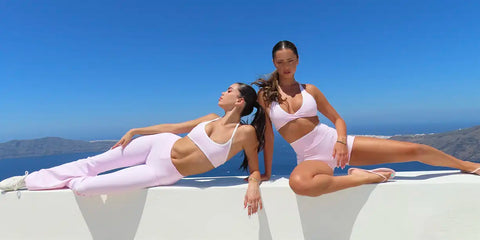
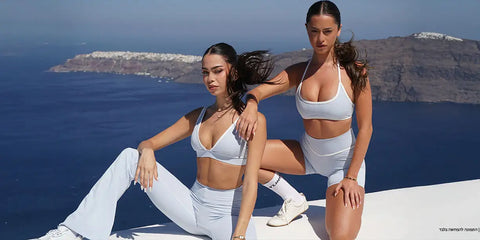
Choose a close but comfortable fit, with seams that do not rub. Full-length leggings can provide coverage, while a sports bra and a suitable top form the upper half of your outfit. A longline bra is not, by itself, a substitute for a warm base layer in cold weather.
Look at the actual fabric and product description. A collection name or high stretch content does not tell you how warm a garment will be.
Add insulation when you need it
A middle layer helps retain warmth. Depending on the conditions and your activity, that might be a light long-sleeve top, a fleece, a sweatshirt or an insulating jacket.
For the trip to a studio, a soft layer over your workout clothes may be enough. For a longer outdoor session in colder weather, you may need more insulation. Try the layers together and make sure you can reach and bend without restriction.
Choose pieces that are easy to adjust
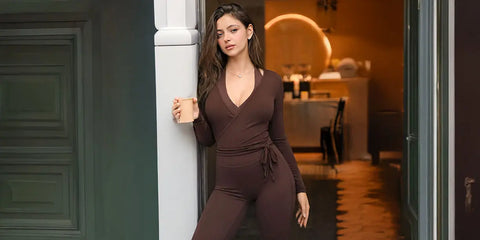
A full or half zip can make it easier to release heat or remove a layer. If you prefer a wrap top, keep any ties secure and check that they will not interfere with equipment.
A fitted studio jacket can be useful as a light layer, but check its features before relying on it for wind or rain protection.
Choose an outer layer for the conditions
When you train outside, the outer layer should match the weather. Wind resistance, water resistance and waterproof protection are different features. A water-resistant jacket may handle a light shower but is not necessarily suitable for prolonged rain.
Look for specific product information about weather protection and breathability. Waterproof, breathable shells exist; waterproof does not automatically mean that a garment cannot release any moisture. Ventilation and how you manage your layers still matter.
Check that the outer layer fits over the clothes you intend to wear underneath. Weight and packability are useful considerations if you may need to carry it partway through the session.
Understanding winter activewear fabrics
Nylon and polyester
Both are widely used in sportswear and can be part of moisture-managing fabrics. Their warmth, softness and breathability depend on the construction, thickness and finish. Neither fiber name guarantees odor resistance or a particular level of insulation.
Microfiber
Microfiber describes very fine fibers rather than one specific material. It can create a soft fabric, but the term alone does not tell you whether a piece is warm enough for winter.
Elastane, or spandex
Elastane adds stretch to a blend. It can help layers move with you, but a higher percentage does not automatically make a garment warmer or more breathable. Check the overall fit and intended use.
Cotton
Cotton can be comfortable for casual wear and the journey to a class. For sweaty exercise in cold conditions, its tendency to hold moisture may leave you feeling chilled. Choose the fabric for the situation rather than treating one material as right for every layer.
Practical winter workout tips
- Check more than the temperature. Wind, rain, ice and how long you will be outdoors all affect what you need.
- Adjust as you warm up. Avoid starting with so many layers that you quickly become soaked in sweat. You should still have enough protection to stay comfortable, especially if you stop.
- Cover exposed areas. Gloves, a hat or headband and suitable socks may make a big difference in colder conditions. Thumbholes are a convenience, not a replacement for gloves in severe cold.
- Warm up gradually. Clothing helps with comfort, but it does not replace preparing your body for exercise.
- Plan for visibility and footing. Use appropriate footwear and visibility gear for dark or slippery conditions.
- Change out of damp clothes afterward. Pack a dry layer if you will be outside after training. Damp clothing can leave you cold and uncomfortable.
If the conditions are unsafe or you cannot stay comfortably warm, choose an indoor session or change your plan. An outfit cannot make every winter condition suitable for exercise.
Easy outfit starting points
For the studio or gym
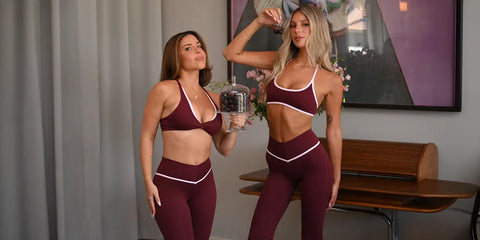
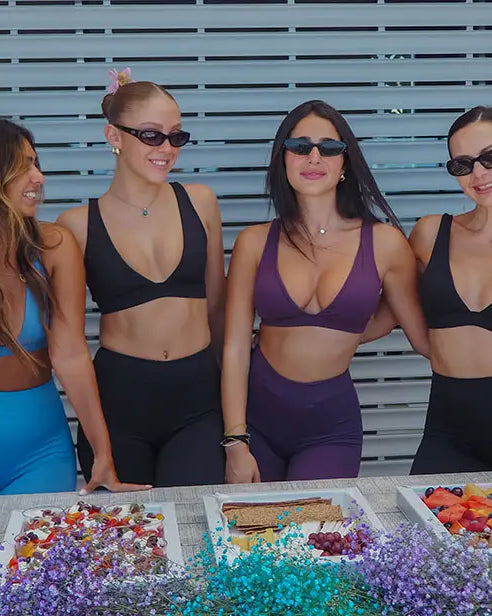
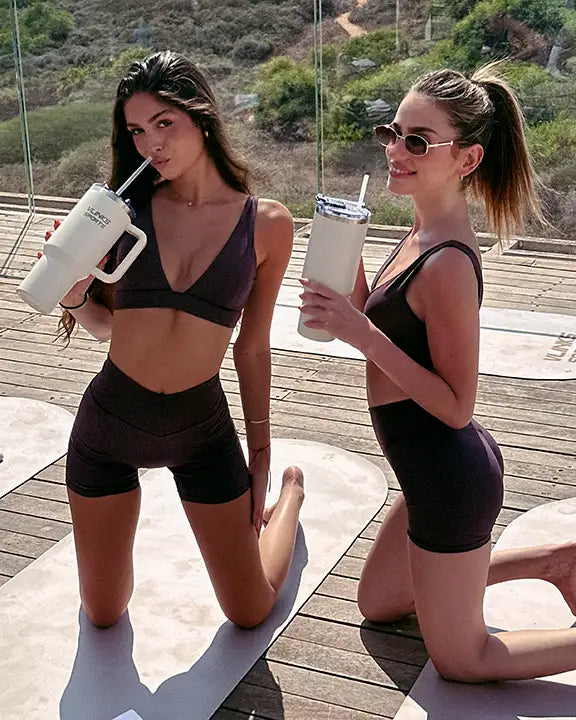
Wear your usual leggings, sports bra and top, with an easy-to-remove layer for the journey. A tracksuit can also work for traveling to and from class, depending on the weather.
For outdoor movement
Start with suitable base layers, add insulation as needed, and finish with weather protection appropriate to the conditions. Carry a spare layer if your route or plans call for it. Everyday activewear should not be assumed to be technical winter outdoor gear.
Frequently asked questions
How do I layer without feeling bulky?
Choose pieces that work together in size and shape. Test your arm movement with everything on, and use adjustable layers rather than relying on one very heavy garment.
How should I wash winter workout clothes?
Follow each item's care label. Stretch activewear, fleece and waterproof shells can need different care. Our activewear washing guide covers everyday workout garments.
Can a workout onesie be part of a winter outfit?
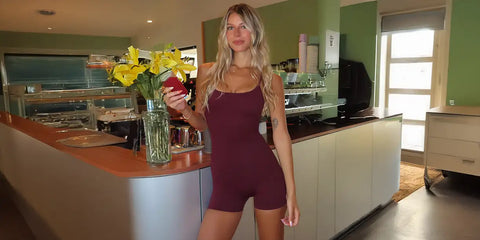
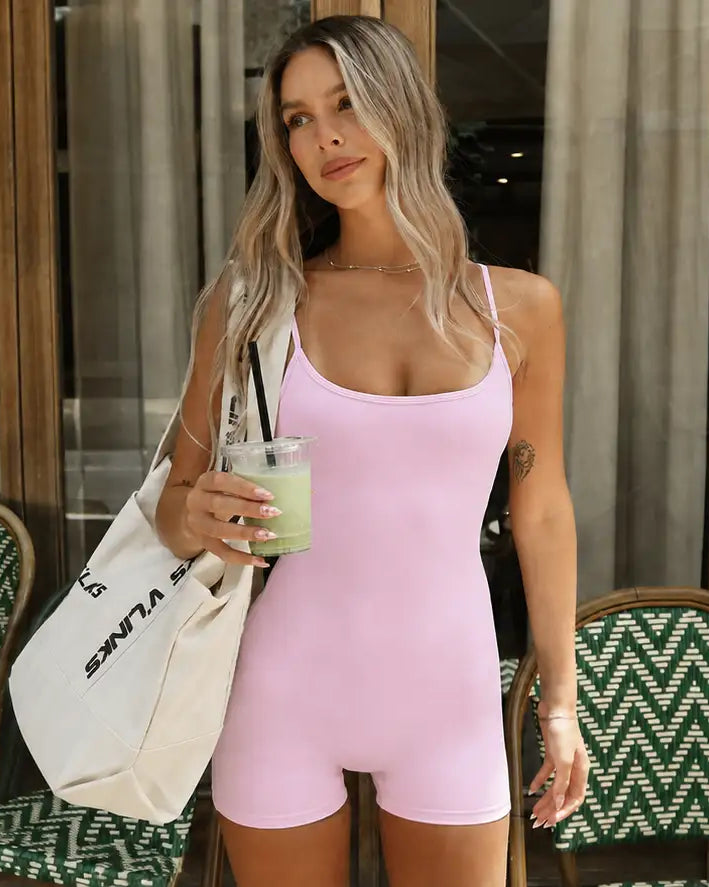
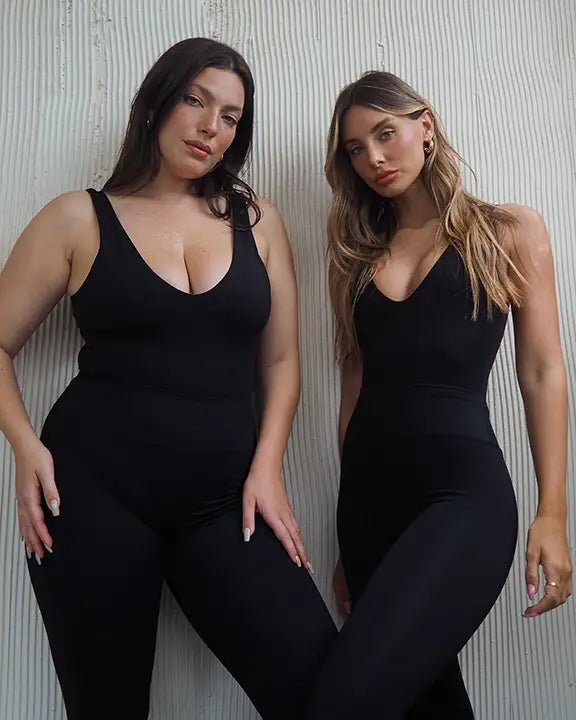
Yes, if it feels comfortable under your other layers. Check the fabric weight and coverage; a one-piece design is not automatically insulating.
Find your everyday workout layers
Explore Vlinks activewear sets, tracksuits and onesies. Build around pieces you enjoy wearing, then add the weather protection your location and activity require.


